
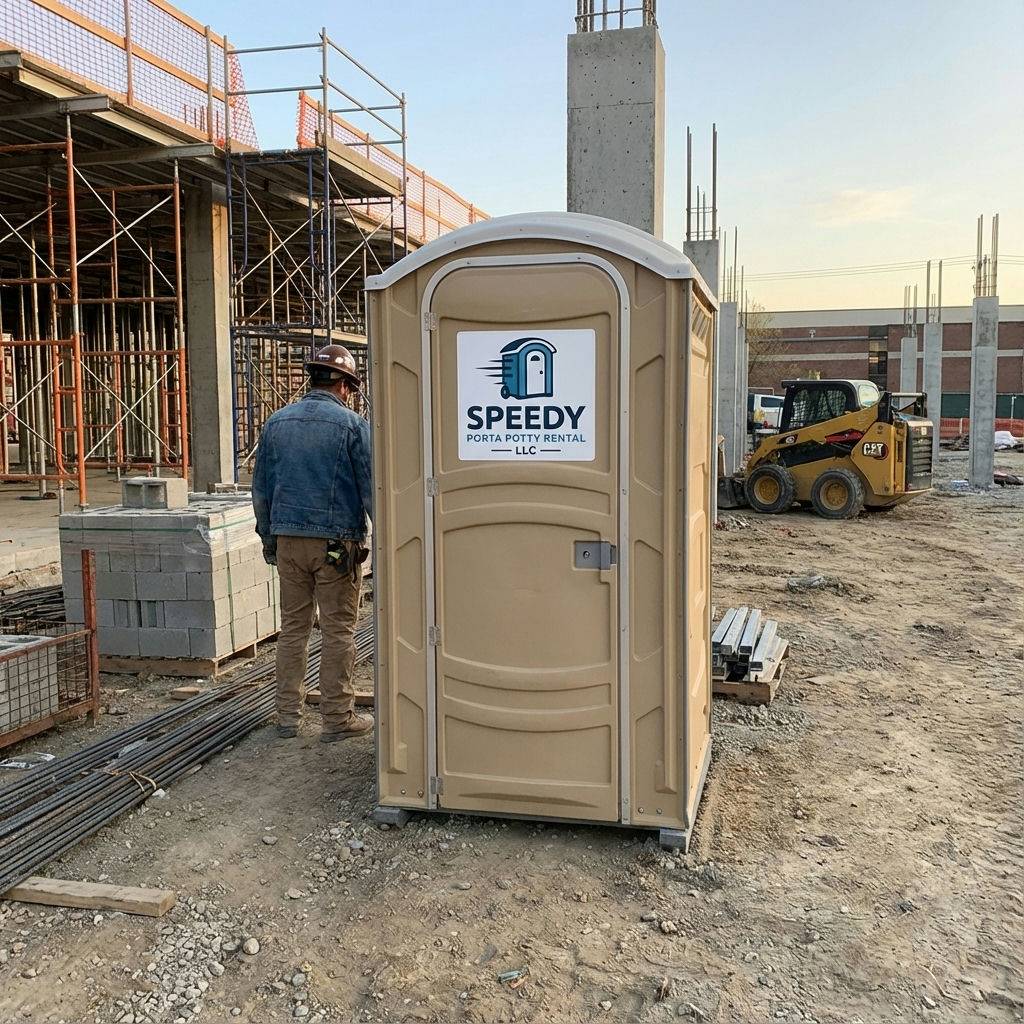
Planning restroom facilities for your San Antonio construction site is essential for OSHA compliance, worker satisfaction, and project efficiency. This comprehensive guide covers everything you need to know about portable restroom requirements, from calculating the right number of units to optimal placement strategies.
OSHA Requirements for Construction Site Restrooms
The Occupational Safety and Health Administration (OSHA) has specific requirements for sanitation facilities at construction sites. Understanding these regulations helps you stay compliant and avoid costly penalties.
OSHA Standard 29 CFR 1926.51(c)
Construction employers must provide toilets for employees at the rate of one toilet for every 20 workers (or less) on a site. These facilities must be available within a reasonable distance from the work area.
Key OSHA Requirements:
- 1 toilet per 20 workers or fewer on the job site
- Facilities must be located within 10 minutes walking distance from work areas
- Toilets must be clean and sanitary at all times
- Privacy must be ensured with proper doors and latches
- Hand washing facilities or sanitizer must be available
- Units must be serviced regularly to maintain sanitation standards
How Many Porta Potties Do You Need?
The number of portable restrooms needed depends on your workforce size, shift duration, and project specifics. Use this quick reference table for standard 8-hour workdays:
| Number of Workers | Minimum Units Required | Recommended Units |
|---|---|---|
| 1–10 | 1 | 1–2 |
| 11–20 | 1 | 2 |
| 21–40 | 2 | 3 |
| 41–60 | 3 | 4 |
| 61–80 | 4 | 5 |
| 81–100 | 5 | 6 |
| 100+ | 1 per 20 | 1 per 15–18 |
Pro Tip for San Antonio Projects
In San Antonio's hot summer months, consider adding 20–25% more units than the minimum. Heat increases hydration needs, which means more restroom visits. This keeps workers comfortable and reduces wait times.
Factors That Affect Your Unit Count
Shift Length
For shifts longer than 8 hours, increase your unit count accordingly. A 10-hour shift typically requires 25% more units than an 8-hour shift.
Gender Mix
While standard porta potties are unisex, some contractors prefer separate facilities for mixed-gender crews. Consider adding dedicated units if your workforce includes a significant number of women.
Site Layout
Large construction sites may need multiple clusters of units to keep facilities within the 10-minute walking distance requirement. Multi-story buildings under construction often benefit from units on different floors.
Special Events
If you're hosting inspections, client visits, or subcontractor meetings, consider adding a higher-end restroom trailer for these occasions.
Optimal Placement Guidelines
Where you place portable restrooms on your construction site affects worker productivity and site safety. Follow these placement best practices:
Location Considerations
- Accessibility: Place units on level, stable ground that's easy to reach
- Distance: Keep units within a 5–10 minute walk from all work areas
- Visibility: Position units where workers can easily find them, but away from main traffic areas
- Service access: Ensure service trucks can reach units for pumping and cleaning
- Wind direction: Place units downwind from break areas and offices when possible
Safety Requirements
- Keep units away from excavation edges, traffic lanes, and material storage
- Anchor units securely in high-wind areas
- Ensure adequate lighting for early morning or evening use
- Mark pathways clearly, especially in muddy conditions
Need Porta Potties for Your Construction Site?
Speedy Porta Potty Rental delivers and services units across San Antonio and surrounding areas
Call (210) 399-6640Servicing Schedule Recommendations
Regular servicing keeps your portable restrooms sanitary and compliant. Here's what to expect:
Standard Service Includes:
- Pumping out waste tank contents
- Replenishing chemicals and deodorizers
- Refilling toilet paper and hand sanitizer
- Cleaning and sanitizing all interior surfaces
- Checking structural integrity and ventilation
Service Frequency Guidelines
| Usage Level | Recommended Service |
|---|---|
| Light (10 or fewer uses/day) | Once per week |
| Moderate (10–30 uses/day) | Twice per week |
| Heavy (30+ uses/day) | 3 times per week or daily |
Cost-Saving Strategies
Maximize your portable restroom budget with these proven strategies:
- Right-size your order: Don't over-order units. Use the calculator above to determine the minimum needed, then add a reasonable buffer.
- Choose appropriate service frequency: Work with your rental provider to adjust service schedules based on actual usage patterns.
- Bundle long-term rentals: Projects lasting several months often qualify for discounted rates.
- Consider unit types: Standard units work for most needs. Reserve deluxe or ADA units for specific requirements only.
- Plan for phases: Scale unit count up or down as your workforce changes through project phases.
San Antonio-Specific Considerations
Construction in San Antonio comes with unique challenges that affect portable restroom planning:
Summer Heat Management
San Antonio summers regularly exceed 100°F. Place units in shaded areas when possible, and consider units with solar-powered ventilation fans. More frequent servicing prevents odor buildup in extreme heat.
Storm Preparedness
During thunderstorm season (May–September), ensure units are anchored properly. Have a plan to temporarily relocate units if flooding is expected in low-lying areas.
ADA Compliance
San Antonio building codes align with ADA requirements. If your site is accessible to the public or employs workers with mobility challenges, include at least one ADA-compliant unit.
Get Your Free Construction Site Quote
Our team will help you calculate the perfect number of units for your project
Call (210) 399-6640